Errant Movement

The Artist

In four years in the Washington D.C. area, Rachel Turner has already found her place in the District’s dance community. Turner moved to D.C. after receiving her B.A. in Dance from Columbia University and immediately started dancing with many area companies.

Choreography had been a passion of Turner’s since high school, and in 2015, Turner was ready to make the jump from choreographing on her students at St. Andrew’s Episcopal School to creating a professional company in order to express her ideas and, through the use of guest choreographers, bring the voices of others to the stage.

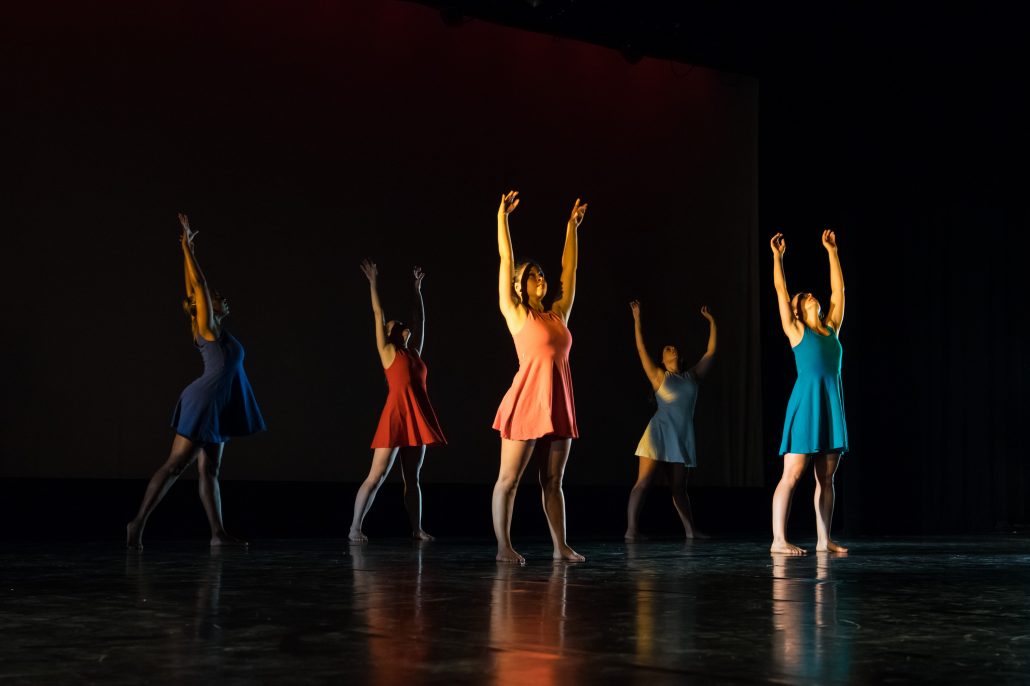
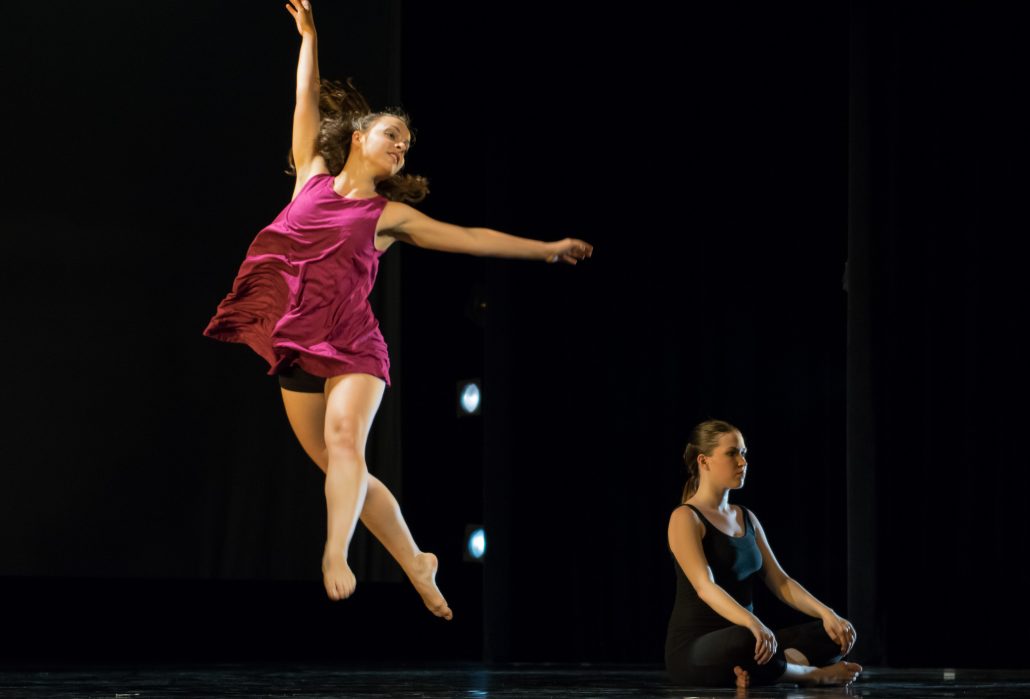
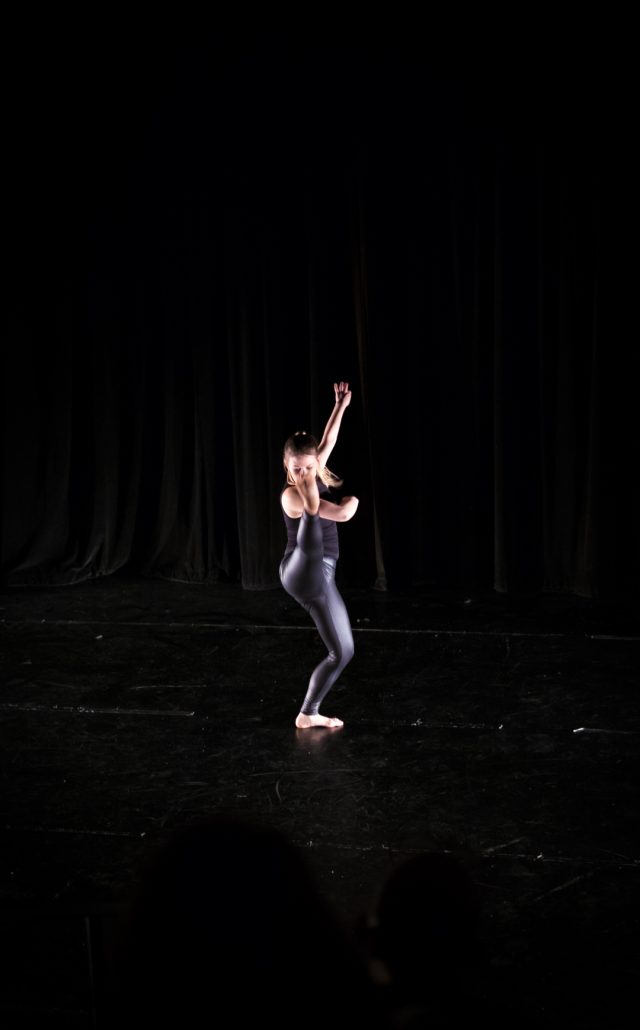
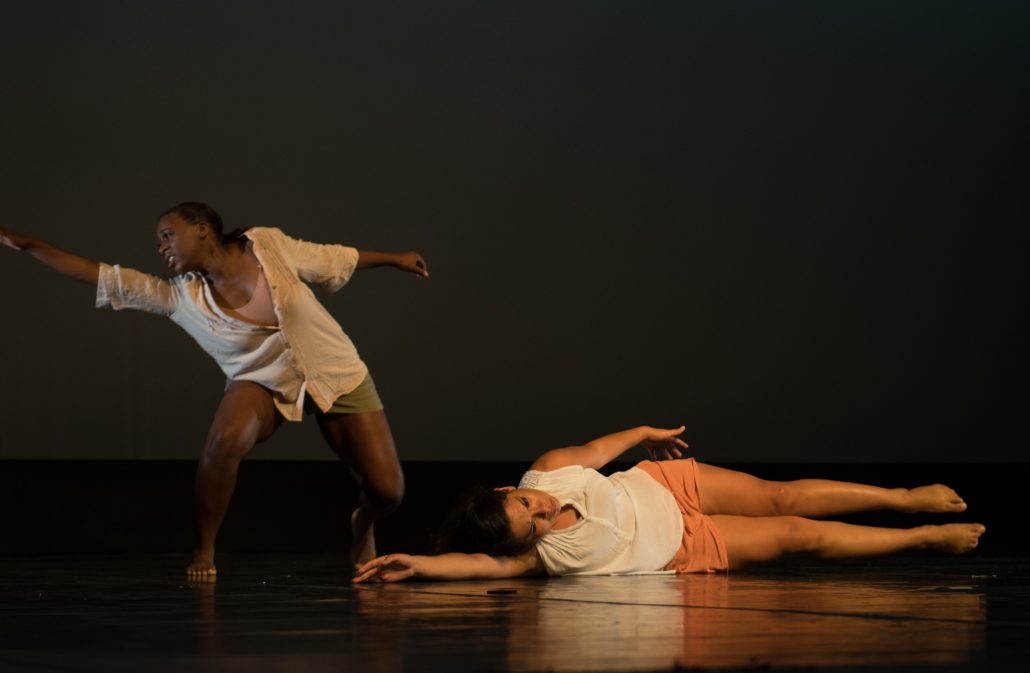
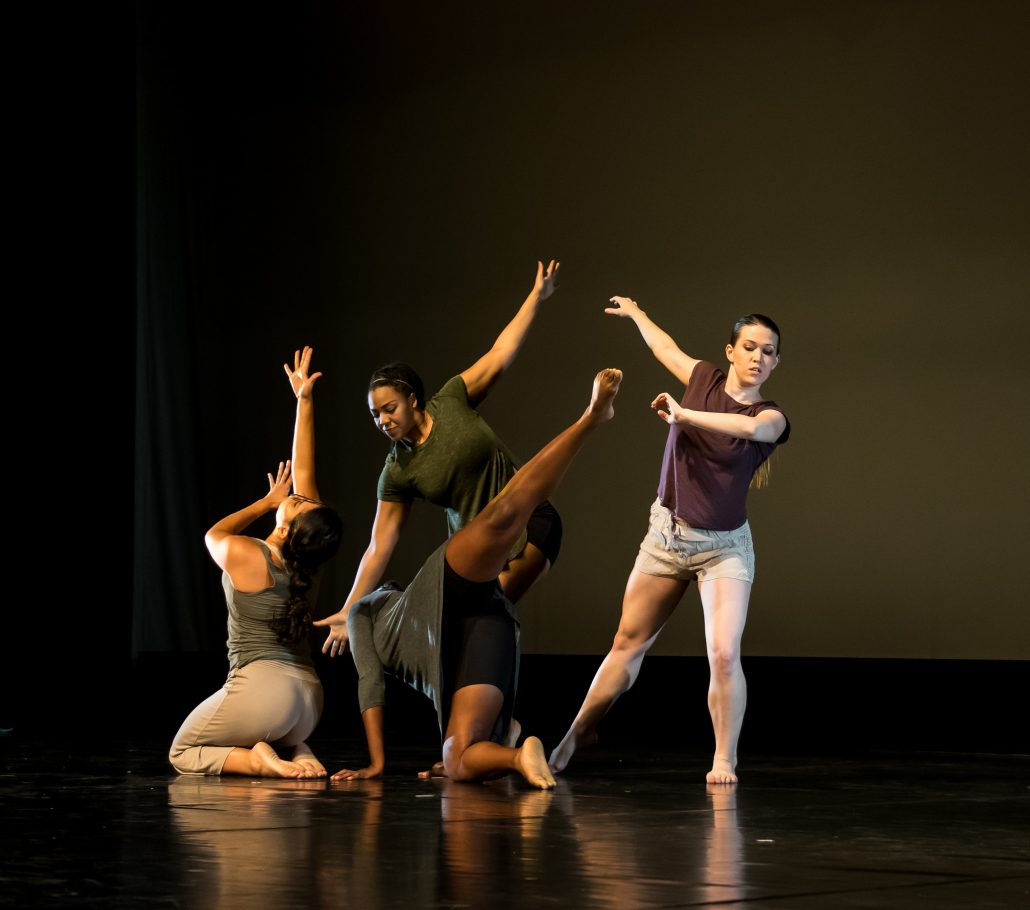
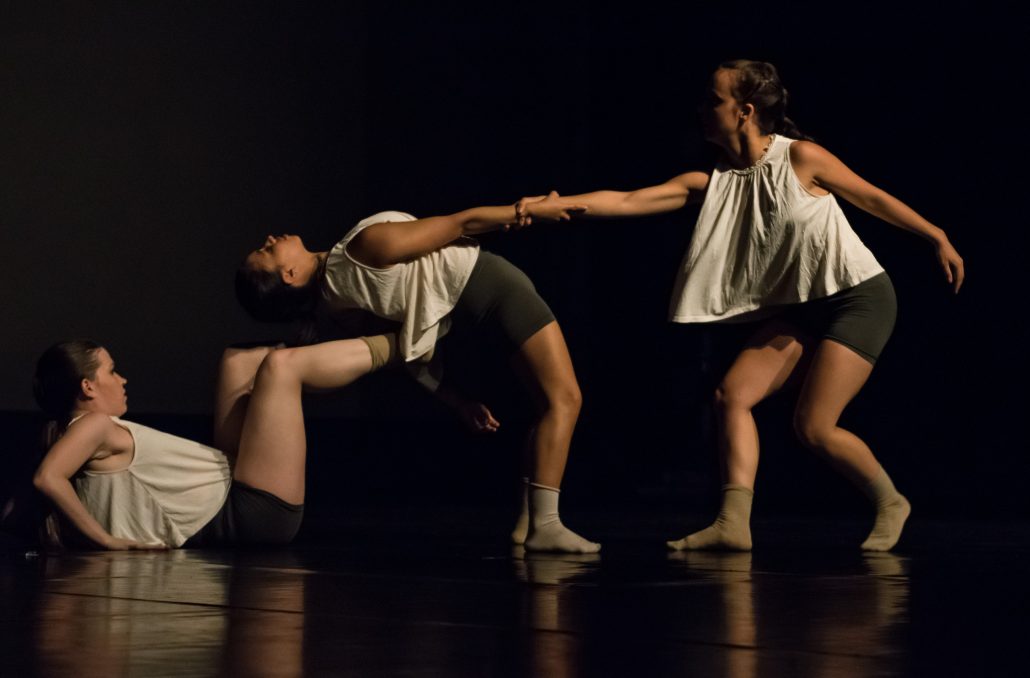
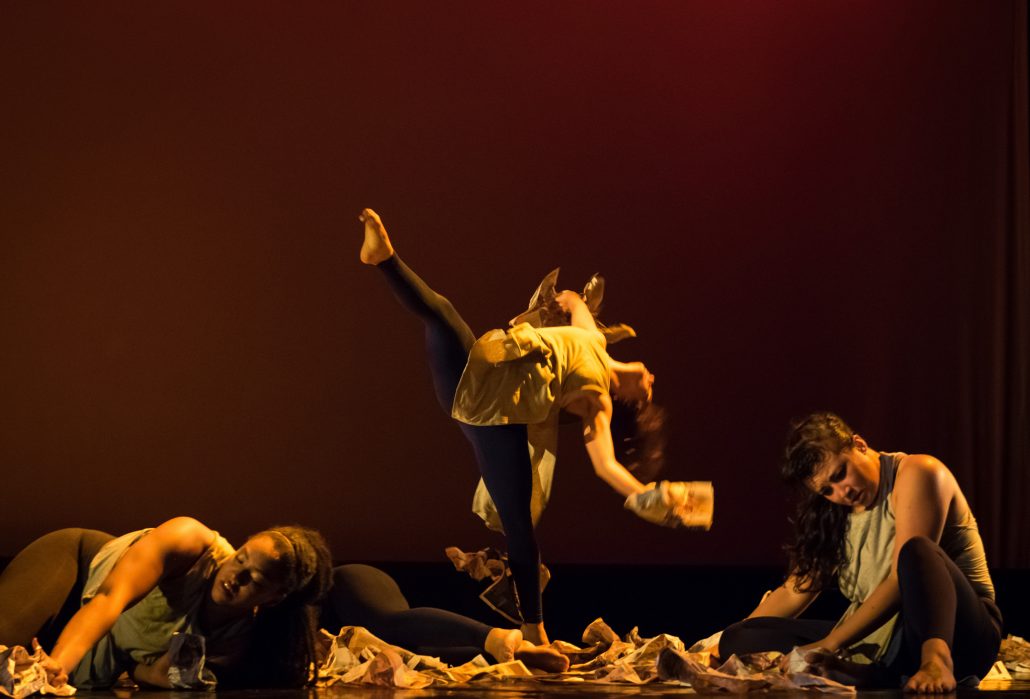
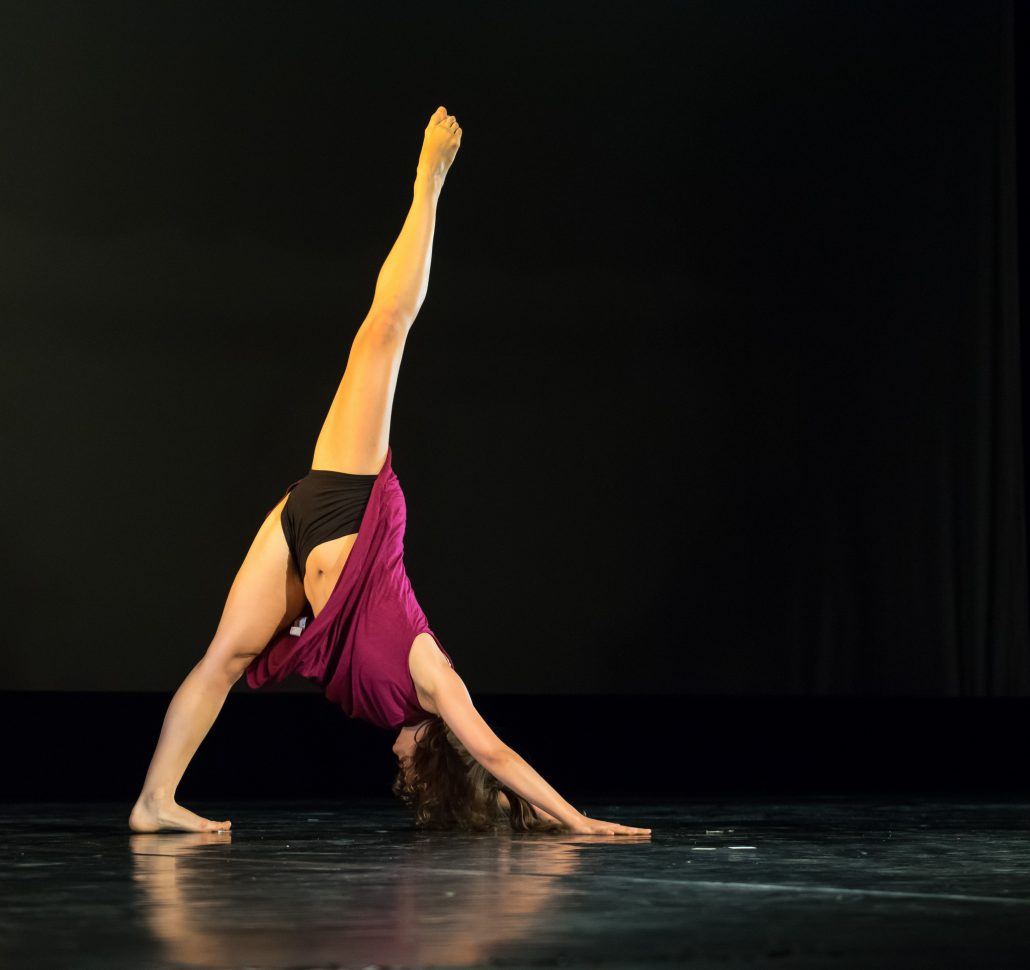
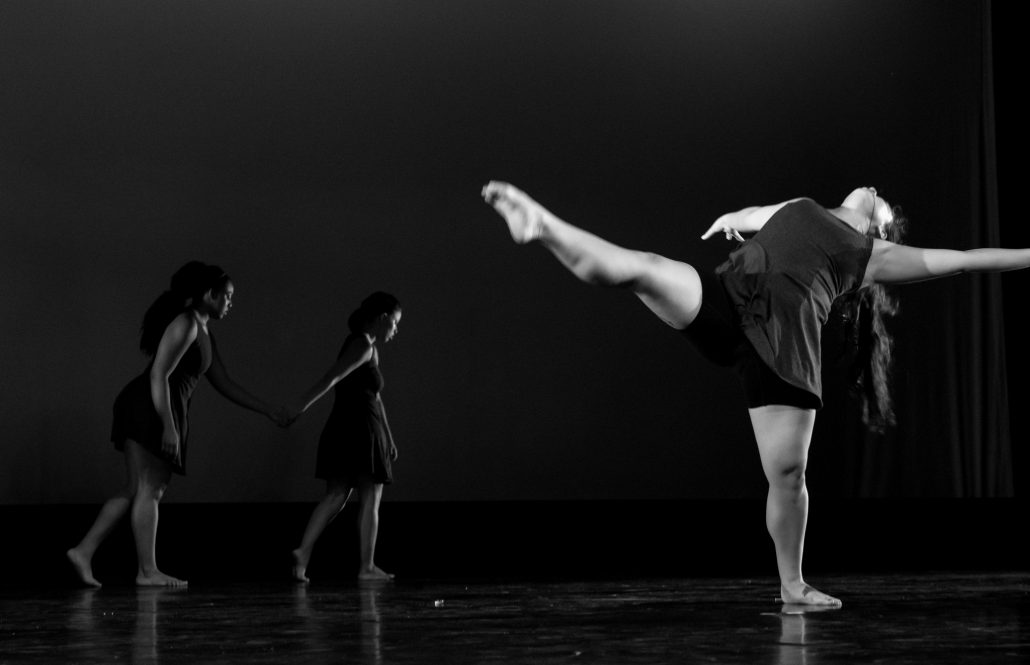
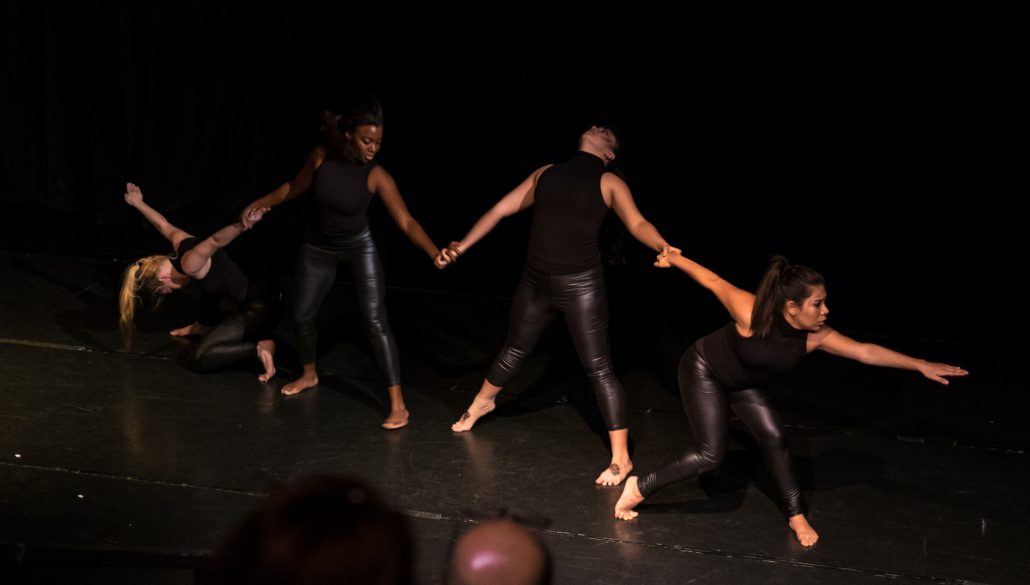
Errant Movement, founded in August 2015, is the culmination of Turner’s vision to create dance that combines technical dancing, coming from Turner’s years of ballet training, with gestures and movement patterns that are common of post-modern dance. The product is dance that is both beautiful in its execution, while being relatable through its use of gesture and emotion. Turner seeks to bring real world issues, such as the impact of technology and social media on our lives, to the stage in a concrete way that leaves the audience satisfied but leaves them thinking.

Rachel Turner

The Artistry

The dancers of Errant Movement started working together in January 2015, making their unofficial debut performances at Joy of Motion’s Faculty/Workstudy Project at the Jack Guidone Theater and Delta Chi Xi Showcase at the Clarice Smith Center for Performing Arts. In summer of 2015, Turner presented “(Dis)connected” as a part of ArasDance’s Capital Fringe show at Dance Place, which DC Theatre Scene called “exciting and upbeat, but also… thoughtful in how people reconcile with technology.”

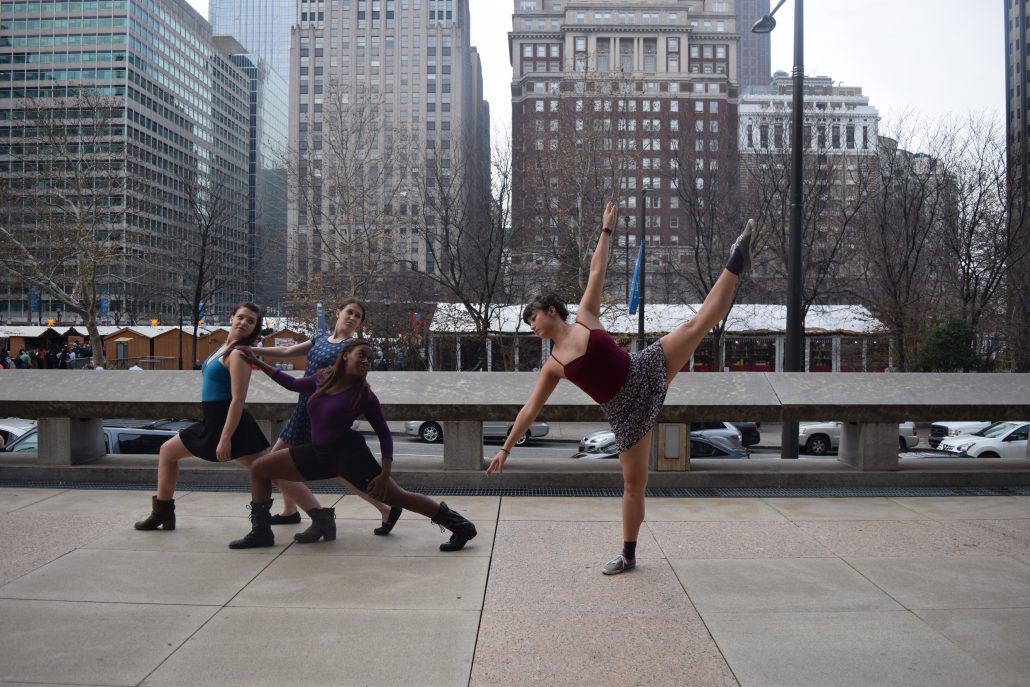
In August 2015, the company became official and has since performed all over the D.C. area, including a shared bill at the Jack Guidone Theater with MoCo Dance Alliance entitled Freshperformances at Joy of Motion’s Dance Project, FUSE Festival, Atlas Intersections Festival, and Little Salon. Errant travelled to Philadelphia to perform as part of the ETC Performance Series in December 2015. The company culminated their first season with a full presentation, Connectivity/Complexity, at Capital Fringe Festival at Gallaudet University in July 2016, which led DC Metro Theater Arts to declare Errant as “very promising” at their 11-month mark with the recommendation to “keep a close eye.”

This young, invigorated company is ready to continue to take the dance scene by storm in their second season, which they kicked off with an intimate evening of choreography at the unique venue of Takoma Ranch, where the dancers presented past repertoire, as well as seven works that were created in the span of a month. This level of production shows the energy and drive of Errant Movement, and they have set their sights higher for 2017 with a busy slate of appearances and a self-produced show, oneness, to be premiered at the Anacostia Arts Center in May and presented in Chicago, through the Chicago Moving Company’s Performance Project, in partnership with the Chicago Park District, in June.
Sponsor Opportunities

Contact NPAFE to find out how you can be recognized locally, regionally, and even nationally for your role in making these great performing arts events possible.

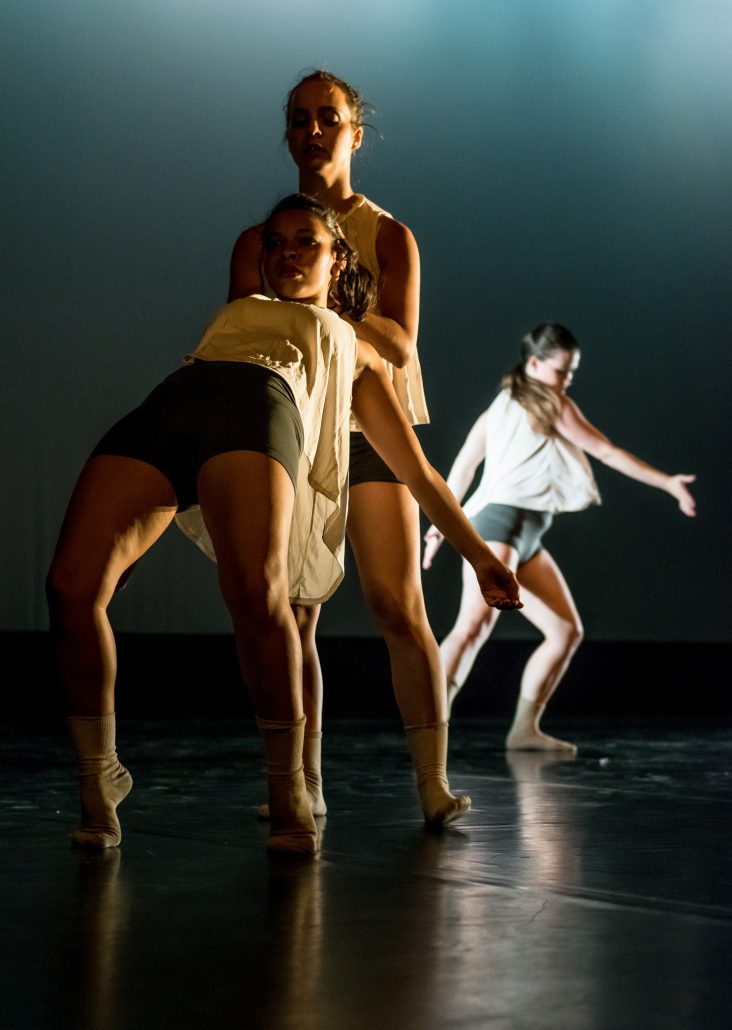
Choreographic Commissions – sponsor the production of a new work by Artistic Director Rachel Turner or a guest choreographer.


Community Dance Classes and Presentations – sponsor Errant’s upcoming venture to provide community dance classes and presentations throughout D.C., including at the Guy Mason Recreation Center in Glover Park and in Anacostia through the Anacostia Arts Center, THEARC, and at apartment complexes in the area.


Company Class – sponsor Errant in beginning a program of open company classes at an affordable rate to dancers in the community, sponsorship will offset costs of space to hold class. Classes will also offer opportunities to guest choreographers and company members to teach.


Rehearsal space – sponsor Errant’s need for 4+ hours a week of rehearsal space in order to continue their production of new work.

What Others Say

Turner’s choreography highlights the capacity everyday humans have when absorbing, and slowly obsessing over 24/7 news coverage, particularly through the global tragedies seen in worldly communities. Consistent, and intricate arm-swings – mimicking clock hands that occasionally ‘stick’ – are repurposed to represent numb, consumer reactions toward ‘bad news’ – a now, ‘routine’ and a heavily predictable occurrence.” – Benjamin Dennis, DC Metro Theater Arts on Connectivity/Complexity at Capital Fringe 2016


It’s plain to see that the audience was intrigued, moved, and captivated by the dancers’ “fluid power,” as one viewer called it. I was most impressed by Turner’s ability to use such an intimate space to produce such a large impact. The overall subject matter of adversities and relationships had a profound effect on me. I wasn’t once distracted by bad technique, awkward closeness or heavy breathing, and the dancers projected their emotions realistically and tenderly. I totally forgot I was watching a dance performance in someone’s basement!” –Christina Lindenmuth, DC Dance Journalism Project on A Tasting Menu: Bite-Sized Snippets of Dance at Takoma Ranch


Ignoring the current trend of flash and sparkle that dance seems to be entrenched in, this show put out a much more technically impressive dance piece than I am used to. More grounded than the “throw someone in the air” shows that other companies perform, this all female cast still showed an impressive number of lifts.” – Christian Sullivan, DC Theatre Scene


The choreography [Errant] performed at Studio Gallery was exciting and addressed contemporary social issues.  The most memorial piece, in my opinion, was a piece that spoke very directly to the current life condition of living with cell phones. Cell phone numbers were placed around the gallery and the audience interacted with the choreography by dialing or texting the numbers. The dancers responded with choreography that was defined by the ring tones that were set off.” – Chris ChernowStudio Gallery DC


The movement material is excellent, incorporating strong rhythmical footwork, good use of space and interesting arms coordination.” –Zvi Gotheineradjucation comments for the 33rd Annual Choreographer’s Showcase at the Clarice Smith Center for Performing Arts


The most powerful of the dances is “(Dis)connected.” Using music almost entirely made-up of iPhone and computer sounds, this dance shows the immediacy and influence that technology has inflicted upon our lives. The music and movement actually made me anxious enough to want to reach for my phone, sure that I was missing a text message or email.” – Lauren Honeycutt, DC Metro Theater Arts on “(Dis)connected” at Capital Fringe 2015


the show really started to pick up with Rachel Turner’s “(Dis)connected.” The soundscape began with Apple’s iPhone chiming, as though an inconsiderate guest had forgotten to silence their phone, and morphed into a full musical piece using other sounds (like the Windows log-on melody) familiar from their ubiquity in technological devices. A pair of dancers entered pretending to tap at phone screens, danced together for a brief interlude, and returned to their air-texting as the first movement ended. They were replaced by other dancers staring at palms held up in front of them like screens, mesmerized by a futuristic, invisible world. The piece did an admirable job of conveying its theme through creative choreography without hitting the audience with an excess of tired commentary on technology and isolation in our lives.” –Emily Walz, Washington City Paper on “(Dis)connected” at Capital Fringe 2015